
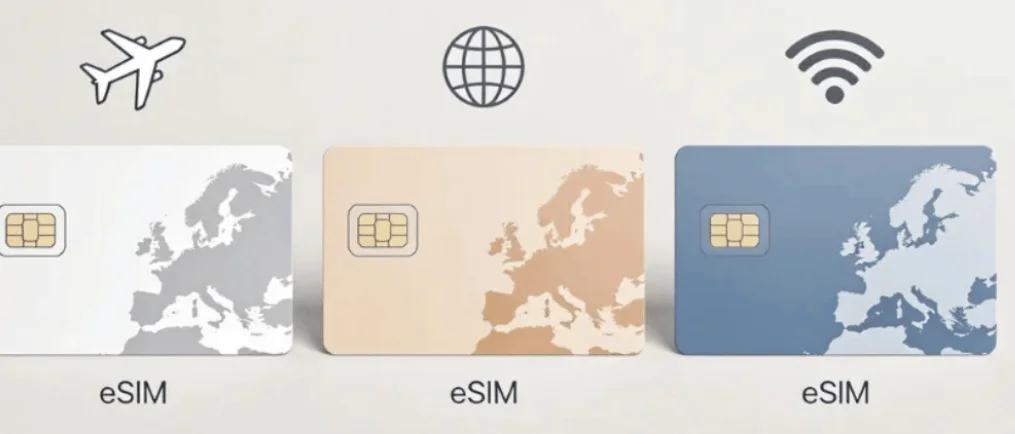
For most US travelers, the best eSIM for Europe depends on data use, route, and trip length. Ubigi offers standout fixed-data value, while Nomad works well for travelers needing larger allowances. Holafly makes more sense when unlimited phone data matters more than the lowest price.
Quick answer: Ubigi is a strong value choice for typical European trips because its 10GB, 30-day plan currently costs $15. Nomad becomes attractive for larger data needs, while Holafly suits travelers who prefer unlimited data. Airalo offers broad regional coverage, and Saily combines flexible plans with useful security features.
Best Europe eSIMs at a Glance
| Provider | Example of a Europe plan | Coverage | Best for | Main limitation |
|---|---|---|---|---|
| Ubigi | 10GB / 30 days: $15 | Multi-country Europe | Fixed-data value | Check your exact itinerary. |
| Nomad | 20GB / 30 days: $27 | 35-country plan available | Larger data allowances | Coverage varies by plan. |
| Airalo | 10GB / 7 days: $34.50 | 42 countries shown | Broad itineraries | Larger packages can cost more. |
| Saily | 10GB / 30 days: $35.99 | 35 countries | Security features | Higher fixed-data price |
| Holafly | Unlimited / 15 days: $50.50 | 33 countries | Heavy phone data use | Hotspot limited to 1GB daily |
Prices were checked in September 2026 and can change before your trip. Compare the final checkout price and country list before buying. Your itinerary matters as much as the advertised number of countries.
Which Best eSIM for Europe Should Most US Travelers Choose?
Ubigi currently presents an unusually strong value for travelers who can manage a fixed allowance. Its Europe plan lists 10GB for 30 days at $15. The company also permits data sharing and activates eligible plans upon arrival.
Nomad is more attractive when you expect heavier use during a longer vacation. Its current Europe page lists 20GB for $27 and 50GB for $35. A 10GB, 30-day option costs $23 at the time of checking.
Your route can overturn either recommendation. A cheap package has little value when one destination on your itinerary is missing. Check the UK, Switzerland, Turkey, Iceland, and Balkan destinations individually before paying.
1. Ubigi: Strong Value for Typical Vacations
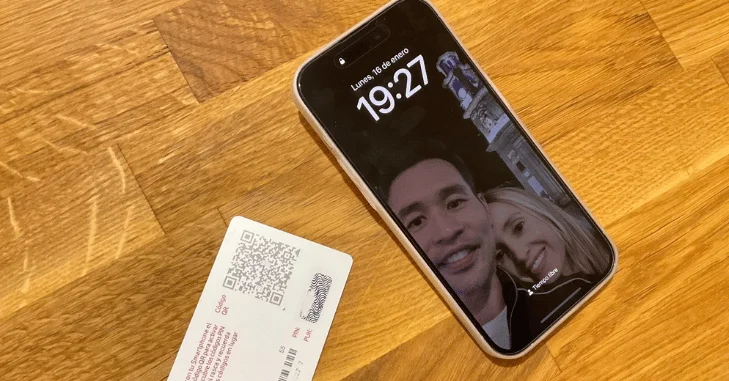
Ubigi deserves attention because its current 10GB package costs much less than several comparable regional plans. The allowance lasts 30 days, which suits many one-week and two-week vacations. Data sharing is also permitted on the displayed package.
Ten gigabytes should cover moderate navigation, messaging, browsing, email, and social media for many travelers. Video streaming can consume that allowance much faster. Download maps, entertainment, and large app updates over Wi-Fi before leaving your hotel.
Pros
- $15 for 10GB and 30 days at the time of check-in.
- Data sharing is allowed.
- Smartstart activation upon arrival.
- Reusable eSIM for future supported destinations.
Cons
- It is not unlimited data.
- Country coverage must match your full itinerary.
- Heavy video users may need a top-up.
Ubigi is our starting recommendation for travelers prioritizing cost per gigabyte. It particularly suits people visiting several mainstream European destinations without constant video streaming. Always confirm the supported network for every destination before checkout.
2. Nomad: Better for Larger Fixed-Data Allowances
Nomad becomes compelling when 10GB feels restrictive. Its 20GB package currently costs $27 for 30 days, while 50GB costs $35. That pricing creates plenty of room for maps, social media, music, browsing, and occasional video.
Nomad currently displays both 35-country and 36-country Europe options. Plans connect through multiple local providers, depending on the destination. Buyers should therefore inspect the exact country list attached to their chosen package.
Pros
- Competitive 20GB and 50GB packages.
- Several fixed and unlimited choices.
- Multiple local network partners.
- Plans can be purchased before departure.
Cons
- Regional country counts differ between plans.
- The cheapest package is not always the best value.
- Ordinary cellular calling may require your primary SIM or internet apps.
Nomad makes particular sense for longer vacations and travelers who expect heavier mobile use. A larger allowance also reduces the need to monitor consumption every day. That convenience can matter during busy multi-city trips.
3. Airalo: Good for Broad Multi-Country Routes
Airalo remains one of the most recognizable travel eSIM providers. Its current Eurolink page displays coverage across 42 European countries and networks. Packages start with smaller allowances and extend to much larger data options.
That broader country list can matter more than saving several dollars. Travelers moving beyond France, Spain, Italy, and Germany should compare every destination carefully. Regional boundaries do not always match what travelers casually consider Europe.
Pros
- Broad regional country coverage.
- Small and large packages available.
- Top-ups supported on eligible packages.
- The package begins after connecting to a supported network.
Cons
- Some comparable fixed-data plans cost less elsewhere.
- Plan pricing varies by allowance and validity.
- You still need to verify every country before buying.
Airalo is a sensible choice when itinerary coverage is your first filter. Compare its supported destinations against cheaper competitors before deciding. Paying slightly more can be reasonable if one plan covers your complete route.
4. Saily: Useful Security Features and Simple Setup
Saily currently covers 35 countries through its Europe regional offering. Its listed options include 5GB for $19.49 and 10GB for $35.99. A 50GB, 90-day package costs $95.99 at the time of checking.
The service also includes virtual location, ad-blocking, and web protection features. Saily says hotspot sharing is unlimited on its Europe product. Those extras distinguish it from providers focused mainly on raw data pricing.
Pros
- Built-in security tools.
- Automatic regional activation.
- Hotspot sharing supported.
- Fixed and unlimited data choices.
Cons
- 10GB currently costs more than Ubigi and Nomad.
- Regional coverage lists 35 countries.
- Standard service is data-only.
Saily fits travelers who value app simplicity and added browsing protections. It is harder to choose purely on fixed-data price. Compare the extra features against your real needs before spending more.
5. Holafly: Best Fit for Heavy Unlimited Data Use
Holafly takes a different approach by emphasizing unlimited data instead of fixed gigabyte packages. Its Europe product currently covers 33 countries. A 15-day plan costs $50.50, while a 30-day plan costs $73.90.
The major tradeoff involves tethering. Holafly currently permits 1 GB of hotspot sharing per day on its Europe product. Network operators may also temporarily reduce speeds under fair-use policies.
Pros
- Unlimited phone data.
- Plans can match exact trip duration.
- 5G available where supported.
- Straightforward option for heavy phone users.
Cons
- Costs more than many fixed-data plans.
- Hotspot sharing is limited.
- The Europe package currently covers fewer countries than Airalo.
- Fair-use restrictions can affect speeds.
Holafly works best when you dislike monitoring a fixed allowance. It is less compelling for travelers who mainly use maps and messaging. Laptop users should consider hotspot restrictions before choosing an unlimited package.
How Much Data Do You Need in Europe?
Light users can often manage with 3GB to 5GB for a shorter vacation. Navigation, messaging, email, and occasional searches use less data than constant video. Hotel and restaurant Wi-Fi can further reduce mobile consumption.
Ten gigabytes provides more breathing room for a typical trip. It allows regular social media, music, navigation, browsing, and occasional video without constant monitoring. Travelers creating or uploading video should consider 20GB, 50GB, or unlimited service.
Prepare your phone before departure to save mobile data. Download offline maps, music, boarding passes, and translation resources while connected to home Wi-Fi. Technolf’s guide to free language learning apps can also help with useful language tools before your trip.
Why US Travelers Should Compare eSIMs With Carrier Roaming
Convenience is the biggest argument for keeping your US carrier’s international option. You retain familiar service and avoid installing another mobile profile. The tradeoff can be a much higher total price on longer trips.
For example, Verizon currently charges $12 per line for each TravelPass day outside Canada and Mexico. A 10-day European vacation could therefore cost $120 if service triggers every day. TravelPass includes 5GB of high-speed data per session before reduced speeds apply.
A prepaid regional plan can cost considerably less for mobile data. You can often keep your primary US SIM available for important messages while routing data through the travel profile. Check your carrier settings carefully to prevent unintended roaming charges.
Check These Details Before You Buy
First, confirm that your phone is carrier-unlocked and supports eSIM technology. A compatible phone can still reject another carrier profile when it remains locked. Check this before buying a nonrefundable package.
Next, compare the country list against your exact itinerary. Europe’s plans do not share one standard coverage map. Switzerland, Turkey, Iceland, and Balkan countries deserve extra attention on multi-country routes.
Finally, review activation rules, validity, hotspot allowances, and fair-use policies. Install the profile before leaving home when the provider recommends it. If your battery develops problems before departure, Technolf’s phone charging troubleshooting guide covers safe checks to try.
How to Set Up a Travel eSIM Before Flying
- Confirm that your phone supports eSIM and is carrier-unlocked.
- Buy a regional package that covers every country on your itinerary.
- Install the eSIM while you still have reliable home Wi-Fi.
- Label the new line clearly, such as “Europe Data.”
- Keep your US line from using expensive cellular data abroad.
- Turn on the travel line according to your provider’s activation instructions.
- Enable data roaming for the travel eSIM when the provider requires it.
Installation usually takes only a few minutes when everything is prepared. Problems become harder to solve after landing without dependable internet. Technolf’s slow internet troubleshooting guide can help diagnose connection problems across phones and networks.
Our Recommendation for Different Types of Trips
For a typical one-week or two-week European vacation, start by comparing Ubigi and Nomad. Ubigi’s current 10GB price is especially attractive for moderate users. Nomad provides more economical room when you want 20GB or 50GB.
Choose Airalo when broader regional coverage solves an itinerary problem. Consider Saily when its security features and hotspot flexibility matter to you. Pick Holafly when unlimited phone data matters enough to justify the higher price.
Before departure, save booking numbers, hotel addresses, and emergency details offline. A notes application can keep those details available when connectivity fails. Technolf’s best note-taking app comparison covers several useful cross-platform choices.
Frequently Asked Questions
What is the best eSIM for Europe for US travelers?
The best eSIM for Europe depends on your itinerary and expected data use. Ubigi currently offers excellent fixed-data value, while Nomad has attractive larger packages. Airalo, Saily, and Holafly become stronger choices for specific coverage or usage requirements.
Is 10GB enough for two weeks in Europe?
Ten gigabytes can be enough for navigation, messaging, email, browsing, music, and moderate social media use. Heavy video streaming and large uploads can consume it quickly. Use Wi-Fi and offline downloads to stretch your allowance.
Can I keep my US phone number while using an eSIM?
Many modern phones support two active SIM profiles or dual-SIM configurations. This can let you keep your US line while using another profile for data. Check your phone and carrier settings before departure to prevent unwanted roaming.
Do Europe eSIMs include calls and texts?
Many travel packages focus on data rather than traditional cellular calls and SMS. Internet services such as WhatsApp, FaceTime, Signal, and Messenger can still work through mobile data. Check each package when a local phone number or ordinary calling matters.
Should I buy an eSIM before traveling to Europe?
Buying and installing your profile before departure is usually easier. You can complete setup using dependable home internet and resolve compatibility problems before flying. Follow the provider’s activation instructions so validity does not begin earlier than expected.
Final Verdict
For most US travelers, Ubigi is the strongest place to start when price and moderate data use matter. Its current $15 package provides 10GB for 30 days, making it highly competitive for ordinary vacations. Nomad is the stronger alternative when you want significantly more fixed data without paying unlimited-plan prices.
No single provider fits every European itinerary. Airalo deserves consideration for broader regional coverage, Saily adds useful security tools, and Holafly targets heavy unlimited-data users. Compare your destinations, data needs, hotspot use, and trip length before buying.
Prices and plan details change frequently, so recheck them at checkout. Install your chosen profile before departure when possible, then verify that your primary SIM cannot create unwanted roaming charges. A few minutes of preparation can save both money and connectivity problems after landing.