
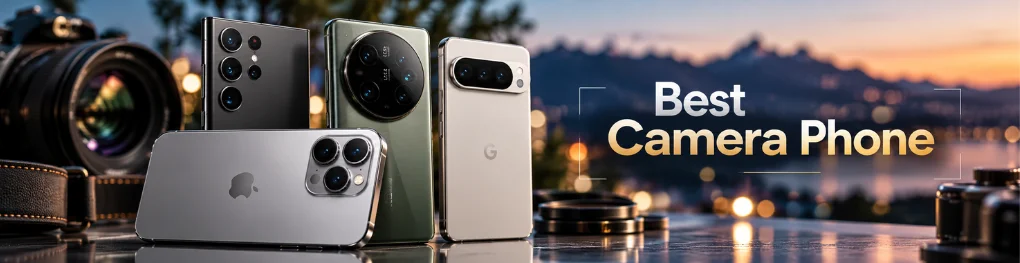
Choosing the best camera phone in 2026 means looking beyond megapixels. The Samsung Galaxy S26 Ultra is our top all-around pick for U.S. buyers who value zoom and versatility. The iPhone 18 Pro Max is stronger for video-focused creators, while Google’s Pixel 11 Pro excels at easy computational photography.
Modern flagship cameras combine large sensors, optical zoom, stabilization, computational processing, and increasingly capable editing tools. Your ideal choice depends on whether you shoot people, distant subjects, video, low-light scenes, or everyday snapshots.
| Camera phone | Best for | Main camera | Telephoto strength | U.S. starting price |
|---|---|---|---|---|
| Samsung Galaxy S26 Ultra | Best overall | 200MP | 3x and 5x telephoto | $1,299.99 |
| Apple iPhone 18 Pro Max | Best for video | 48MP variable aperture | 4x, 8x optical-quality | $1,299 |
| Google Pixel 11 Pro | Best point-and-shoot | 50MP | 5x optical | $1,099 |
| Google Pixel 11 Pro XL | Best big Pixel | 50MP | 5x optical | $1,299 |
| Google Pixel 10a | Best budget option | Dual rear system | Digital zoom | $499 |
| Apple iPhone 18 Pro | Best compact iPhone | 48MP variable aperture | 4x, 8x optical-quality | $1,199 |
| Samsung Galaxy S26 Ultra | Best long-range zoom | 200MP | Up to 100x AI zoom | $1,299.99 |
Quick answer: The Samsung Galaxy S26 Ultra offers the strongest mix of camera flexibility for most U.S. buyers. Its 200MP main camera, 3x and 5x telephoto cameras, and wide zoom range cover many shooting situations. Choose the iPhone 18 Pro Max for video or the Pixel 11 Pro for easy everyday photography.
Best Camera Phone Picks for U.S. Buyers in 2026
Camera quality involves more than a single specification. Sensor size, aperture, lens quality, autofocus, processing, and stabilization all influence the final image. Software matters even more when shooting portraits, moving subjects, or difficult lighting. Current specialist testing also shows no single device dominates every photography category. Samsung performs strongly for zoom flexibility, while Apple remains highly competitive for video and low-light shooting.
Google focuses heavily on computational processing and automated photography features. You can also browse Technolf’s Gadgets and Apps section for related device and software coverage. These guides can help you build a broader mobile photography setup around your next handset.
1. Samsung Galaxy S26 Ultra: Best Overall
The Galaxy S26 Ultra is the strongest choice for photographers who want maximum lens flexibility. Samsung equips it with a 200MP f/1.4 wide camera and a 50MP ultrawide camera. It also has 3x and 5x dedicated telephoto cameras. The 5x camera uses a 50MP sensor and supports 10x optical-quality zoom. Samsung extends the range to 100x using its Space Zoom and AI processing.
That flexibility helps with wildlife, concerts, architecture, travel, and subjects you cannot physically approach. Low-light performance also received attention this generation. Samsung says the wider f/1.4 main aperture improves brightness compared with the previous Ultra. The company has also added Horizon Lock stabilization for steadier action video.
Pros.
- Flexible four-camera rear system
- Excellent long-distance shooting options
- 200MP main camera
- 5x optical telephoto
- Strong low-light hardware
- Useful manual and AI-assisted tools
Cons.
- Large 6.9-inch body
- High starting price
- 100x results depend heavily on processing
For photographers who frequently switch between ultrawide, standard, portrait, and distant subjects, Samsung provides exceptional flexibility. That versatility makes it our leading all-around recommendation.
2. Apple iPhone 18 Pro Max: Best for Video Creators
Apple made a major camera change with the iPhone 18 Pro generation. Its 48MP Fusion Main camera now includes a physical variable aperture. Users can select f/1.48, f/1.8, f/2.8, or f/4 settings. A wider aperture helps gather light in dark environments. A narrower setting provides greater depth of field when more of the scene needs to stay sharp.
Apple also provides manual controls for aperture, shutter speed, white balance, and exposure monitoring. The rear system includes 48MP main, ultrawide, and telephoto cameras. Its 100mm telephoto provides 4x optical zoom and enables an 8x optical-quality 200mm view. Digital zoom extends to 40x. Video remains a major reason to choose an iPhone.
Apple combines reliable autofocus, stabilization, Dolby Vision support, and extensive creator tools within a consistent workflow. Recent independent testing also found meaningful low-light improvements from the variable-aperture system.
Pros.
- Variable-aperture main camera
- Excellent video capabilities
- Three 48MP rear cameras
- Strong color consistency
- Manual Pro controls
- ProRAW support
Cons.
- $1,299 starting price
- Less extreme zoom than Samsung
- Large Max model may feel heavy
Creators who record as much video as photography should place this model near the top of their shortlist. It also fits people already editing and sharing within Apple’s ecosystem.
3. Google Pixel 11 Pro: Best for Easy Point-and-Shoot Photography
Google takes a different approach with the Pixel 11 Pro. Its hardware includes a 50MP main camera, 48MP ultrawide, and 48MP 5x telephoto. The main sensor measures 1/1.3 inches, while optical stabilization supports the wide and telephoto cameras. Google combines that hardware with computational tools designed to reduce the work required from the photographer. Features include Instant Night Sight, Camera Coach, Macro Focus, Face Unblur, Best Take, and Real Tone.
Pro Zoom reaches up to 120x with computational assistance. The Pixel is especially appealing if you prefer taking the picture and letting the phone handle processing. Its 42MP autofocus front camera also provides a wide 103-degree field of view. That makes group selfies and travel shots easier without demanding a large phone.
Pros.
- Excellent computational photography tools
- 5x optical telephoto
- Strong portrait features
- Capable night photography
- Compact 6.3-inch Pro option
- Advanced AI editing
Cons.
- Processing may not suit photographers wanting a neutral starting image
- Maximum zoom relies partly on computational enhancement
- Less hardware flexibility than Samsung
Google currently lists the Pixel 11 Pro from $1,099 before temporary promotions or trade-in credits. That positions it below the two largest flagship competitors at their standard starting prices.
4. Google Pixel 11 Pro XL: Best Big-Screen Pixel
The Pixel 11 Pro XL uses the same core triple-camera arrangement as the smaller Pro. You get a 50MP main camera, 48MP ultrawide, and 48MP 5x telephoto. The larger 6.8-inch display gives photographers more room to frame and edit. Its size makes more sense for people who edit frequently on their phones. The larger display also helps when checking focus, cropping images, and reviewing video.
Independent reviews have praised its photography system while noting its premium price and large dimensions. Choose the smaller Pro when portability matters most. Pick the XL when a bigger viewing and editing area matters more than pocket comfort. Camera hardware alone shouldn’t push you toward the larger model.
5. Google Pixel 10a: Best Budget Camera Option
You do not need a four-figure flagship to capture good everyday photographs. Google lists the Pixel 10a at a regular U.S. starting price of $499. Temporary discounts can reduce that price further. The Pixel 10a gives up the dedicated flagship telephoto hardware found on Google’s Pro models. Its strength comes from combining competent hardware with Google’s image-processing experience. Specialist testing has also identified it as a strong budget photography choice.
That makes the 10a suitable for family photographs, pets, vacations, social media, and casual video. Buyers who frequently photograph sports or distant wildlife should spend more for optical telephoto hardware. For everyday snapshots, the savings can matter more.
6. Apple iPhone 18 Pro: Best Smaller iPhone for Photography
The regular iPhone 18 Pro offers the same core 48MP Pro Fusion camera concept in a smaller body. Its main camera includes Apple’s new variable-aperture system and manual Pro controls. The 48MP telephoto also provides a 100mm 4x perspective. This model is easier to recommend for photographers who dislike oversized phones. The 6.3-inch design is easier to carry while retaining Apple’s high-end photography features. Its U.S. starting price is $1,199.
Consider the Pro Max instead when battery endurance and a larger editing display matter. Otherwise, the smaller model gives mobile creators a more portable flagship. Camera capability does not require carrying the largest iPhone.
Samsung vs. iPhone vs. Pixel: Which Camera System Fits You?
The strongest camera systems now solve different problems. Samsung emphasizes lens range and distant subjects, while Apple combines photography controls with sophisticated video. Google emphasizes automated processing that helps users get polished results quickly.
| Priority | Strongest fit | Why |
|---|---|---|
| Long-range zoom | Galaxy S26 Ultra | Dedicated 3x and 5x telephotos |
| Video creation | iPhone 18 Pro Max | Strong stabilization, controls, and creator workflow |
| Point-and-shoot photos | Pixel 11 Pro | Automated computational photography |
| Manual camera control | iPhone 18 Pro series | Aperture, shutter, white balance controls |
| Budget photography | Pixel 10a | Good processing at a lower price |
| Compact premium option | Pixel 11 Pro / iPhone 18 Pro | Flagship systems in 6.3-inch bodies |
| Editing on a large screen | Pixel 11 Pro XL | Large display with Google’s photo tools |
Your normal subjects should decide the purchase. Parents may prioritize reliable portraits and moving subjects, while travelers might value zoom range. Creators should give video quality and storage requirements more weight.
What Matters More Than Megapixels?
A 200MP specification does not automatically produce a better photograph than a 48MP camera. The sensor, lens, aperture, stabilization, autofocus, processing, and shooting conditions all affect image quality. High resolution can provide extra cropping flexibility, but it represents only one part of the system.
Sensor size matters because larger sensors can collect more light under comparable conditions. Optical stabilization helps reduce movement during slower exposures. A bright aperture can also improve low-light capture before computational processing begins. Telephoto hardware deserves attention if you regularly photograph distant subjects.
Optical zoom uses dedicated lens hardware rather than relying entirely on cropping. Computational zoom can extend the range, but image quality generally changes as magnification increases.
Don’t Forget the Editing Workflow
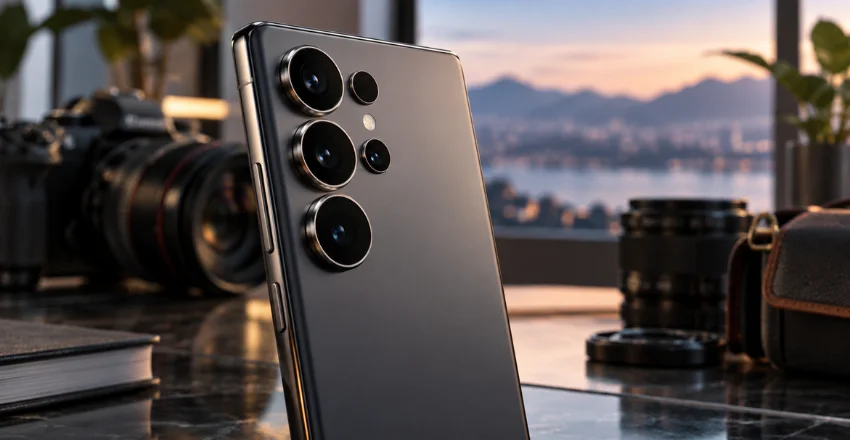
Capturing the image is only the first part of mobile photography. Cropping, exposure corrections, color adjustments, noise reduction, and object removal can improve a photograph afterward. Modern phones increasingly do these tasks directly in their photo apps. Photographers wanting deeper desktop control can read Technolf’s guide to the best photo editing software. It compares Lightroom, Photoshop, Affinity, Capture One, and other editing options for U.S. users.
That workflow can matter if you shoot RAW or move phone photographs into larger projects. Battery reliability also matters during long photography sessions. Camera use, bright displays, video recording, and editing can drain power quickly. Technolf’s phone charging troubleshooting guide can help diagnose common charging problems before a trip or shoot.
How to Choose the Right Phone Camera
Start with what you photograph most often rather than comparing specification sheets. Someone shooting children indoors has different needs from a traveler photographing distant buildings. A creator recording daily video has different priorities again.
Use this simple buying order:
- Decide your maximum budget before comparing flagship features.
- Choose iOS or Android if your existing ecosystem matters.
- Identify whether photos, video, or both are your priority.
- Decide how much optical zoom you genuinely use.
- Check low-light performance from independent camera comparisons.
- Consider phone size and how comfortably you can hold it.
- Check storage needs if you record a lot of 4K or 8K video.
- Compare current unlocked and carrier prices before purchasing.
Avoid choosing solely from megapixel counts. A balanced camera system is usually more useful than one headline specification. Real-world consistency matters when the moment gives you only one chance.
Our Verdict
For most photography-focused U.S. buyers, the Galaxy S26 Ultra offers the broadest camera toolkit. Its four rear cameras cover ultrawide scenes, everyday photography, portraits, and long-distance subjects. Independent testing also places it among the strongest current photography flagships.
The iPhone 18 Pro Max makes more sense for creators who prioritize video and manual shooting controls. The Pixel 11 Pro is compelling for users who want strong results without managing many settings. Budget buyers should consider the Pixel 10a before assuming they need a premium flagship.
The right choice ultimately depends on what you photograph and how you share it. Compare your top two options in the same scenes before buying, whenever possible. Look at faces, motion, indoor light, zoom, and video rather than showroom specifications alone.
Frequently Asked Questions
What is the best camera phone in 2026?
The best camera phone for most U.S. buyers is the Samsung Galaxy S26 Ultra when versatility and zoom are priorities. Its four rear cameras include a 200MP main sensor plus dedicated 3x and 5x telephoto options. Apple and Google remain stronger fits for certain video and computational-photography preferences.
Which phone has the best camera for video?
The iPhone 18 Pro Max is one of the strongest choices for video-focused users. Apple combines stabilization, Dolby Vision, extensive camera controls, and a mature creator ecosystem. The new variable-aperture main camera also gives photographers and videographers greater control over capture.
Which Android phone has the strongest zoom?
Samsung’s Galaxy S26 Ultra provides exceptional zoom flexibility among mainstream U.S. Android flagships. It includes dedicated 3x and 5x telephoto cameras and supports 10x optical-quality zoom. Samsung also offers AI-assisted Space Zoom up to 100x.
Is Google Pixel better than iPhone for photos?
Neither system wins every type of photograph. Pixel emphasizes automated computational photography, portraits, Night Sight, and AI-assisted tools. iPhone offers strong consistency, plus deeper manual controls and particularly capable video features.
How many megapixels does a good phone camera need?
Megapixel count should not be your main buying criterion. Sensor size, optics, stabilization, autofocus, exposure processing, and color rendering can matter more. Compare real photos from each lens instead of choosing the highest number.
Should I buy a camera phone instead of a dedicated camera?
A premium smartphone can replace a separate camera for many everyday users. Dedicated cameras still offer advantages through larger sensors, interchangeable lenses, physical controls, and specialized accessories. Choose based on whether convenience or maximum photographic control matters more.