

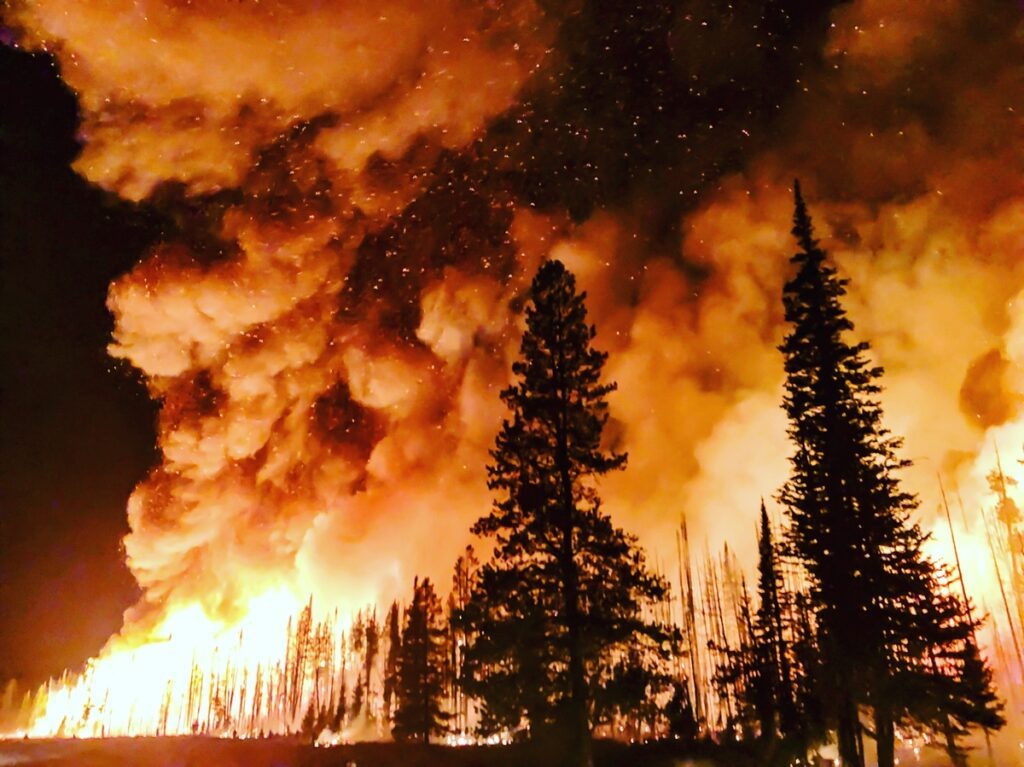
The importance of a reliable fire detector cannot be overstated in our increasingly complex world, where the ancient threat of fire continues to endanger lives, properties, and cherished memories with undiminished intensity. These remarkable devices—seemingly simple yet technologically advanced—stand as vigilant guardians in our homes and workplaces, alert while we sleep, watchful while we work, and ready to sound urgent alarms at the first sign of danger.
The Evolution of Fire Detection Technology
The evolution from primitive fire awareness to today’s intelligent detection systems is a testament to human ingenuity battling one of our oldest adversaries. Early humans relied solely on their senses—the acrid smell of smoke, distant crackling, or visible haze—often perceiving danger only when escape was already precarious. There is more on this in Microwave SOS.
Modern fire detection technology has revolutionized this dynamic by introducing:
- Multi-sensor arrays capable of detecting invisible threats long before human senses can perceive them
- Algorithmically enhanced systems that differentiate between harmless cooking smoke and real dangers
- Networked devices that communicate to monitor fire progression collectively
- Integration with building systems to automatically trigger suppression and evacuation protocols
- Artificial intelligence applications that learn from false alarms to improve detection accuracy continually
“The true marvel of contemporary fire detection lies not merely in alertness but in discernment—the capacity to distinguish between the harmless wisps from your morning toast and the insidious tendrils of a real conflagration. Once the exclusive province of human judgment, this skill now resides within these unobtrusive devices installed in our living and work spaces.”
The Multidimensional Benefits of Advanced Detection
Implementing sophisticated fire detection goes beyond regulatory compliance—it is a profound commitment to protecting what matters most.
The Precious Gift of Time
In fire emergencies, every second counts:
- Early detection can provide 3-5 extra minutes for safe evacuation
- Smoke inhalation often incapacitates victims before flames reach them
- Most fatal fires occur during sleep, when human detection is ineffective
- Flashover can rapidly transform a manageable fire into an unsurvivable inferno within minutes
- Fire response services require notification and travel time before intervention
A fire safety engineer in Singapore highlights that “the difference between a minor incident and catastrophic loss often comes down to detection time measured in seconds rather than minutes,” underscoring the critical need for advanced detection systems.
Protection Beyond the Physical
Beyond safeguarding lives, comprehensive detection systems protect:
- Irreplaceable personal mementoes and family heirlooms
- Business continuity and employment security
- Historical buildings and cultural heritage
- Environmental integrity by preventing toxic combustion products
- Community stability by minimizing disaster-induced displacement
“When we consider what burns, we must recognize not only the tangible—the walls, furnishings, and objects—but also the intangible threads of memory, continuity, and belonging woven through these physical vessels. Each photograph and cherished item contains universes of meaning that, once consumed by flame, vanish forever.”
Essential Considerations for Detection Selection
Selecting the ideal fire detection system requires aligning solutions with specific environmental and occupancy needs. Key factors include:
Risk Assessment and Protection Philosophy
A robust detection strategy begins with thorough understanding of:
- Building materials and construction features affecting fire spread
- Occupant patterns and vulnerability considerations
- Potential ignition sources and fuel loads
- Availability and response time of emergency services
- Applicable regulatory codes and insurance requirements
Technology Selection and Integration
Optimal detection solutions offer comprehensive functionality such as:
- Multiple sensor types targeting heat, smoke, flame, and gas detection
- False alarm reduction for specific environments like kitchens or industrial sites
- Long battery life with reliable power backup options
- Connectivity and integration with broader safety and building management systems
- Self-diagnostic capabilities to maintain continuous protection
Maintenance Commitment and Verification
Ensuring long-term reliability requires regular upkeep and verification:
- Routine testing and functional checks
- Replacing components according to manufacturer guidelines
- Preventing dust buildup which can impair sensor sensitivity
- Applying software updates for smart detection systems
- Maintaining detailed documentation for compliance and insurance
The Economic Reality of Early Detection
The financial benefits of fire detection systems represent one of the most compelling safety investments:
- Basic residential detectors often cost less than a casual dinner for two
- Commercial systems typically constitute less than 0.5% of total building costs
- Insurance premium reductions often offset installation expenses entirely
- The average UK residential fire loss exceeds £45,000, while detector costs are usually under £50
- Business interruption costs from fire frequently far exceed detection investments
“The mathematics of protection speak clearly—what looks like expenditure is actually one of the most prudent investments possible. No other financial instrument offers returns comparable to losses averted.”
The Future of Intelligent Detection
As artificial intelligence, the Internet of Things, and ubiquitous connectivity advance, fire detection continues to evolve rapidly. Future systems will:
- Anticipate threats through advanced pattern recognition
- Self-diagnose performance issues
- Adapt detection parameters dynamically based on environmental changes
- Provide intuitive interfaces and ease of use for occupants
Homes and facilities that thrive will be those embracing these innovations not just to meet regulations but as a heartfelt commitment to safeguarding what matters most. In a world marked by complexity and uncertainty, the humble fire detector stands as an enduring symbol of human ingenuity dedicated to preserving life, legacy, and hope for the future.
Frequently Asked Questions (FAQs)
Common types include smoke detectors (ionization and photoelectric), heat detectors, and combination units. Smoke detectors are most widely recommended for early warning, while heat detectors may be used in areas with high dust or fumes where smoke detectors could cause false alarms.
Fire detectors should be tested monthly by pressing the test button, and batteries should be changed at least once a year or as per manufacturer recommendations. Complete detector replacement is typically advised every 10 years.
Yes, modern smart detectors use multi-sensor technology and AI algorithms to minimize false alarms by distinguishing between harmless sources like cooking smoke and actual fire threats.
Interconnected systems enhance safety by ensuring that when one alarm detects danger, all alarms in the building sound simultaneously, providing early warning to occupants throughout the premises.
Advanced fire detection systems can connect with sprinkler systems, emergency lighting, and building management systems to trigger automatic fire suppression and facilitate safe evacuation.
Want to know about ‘Vpn Extension For Firefox‘ Check out our ‘AI Tech‘ category.