
Fitness has always been a fundamental part of human life, and its popularity has surged recently, boosted by the widespread availability of innovative fitness applications and trackers. These digital tools have transformed how individuals engage with their health and wellness routines.
Modern fitness apps go beyond basic tracking; they enable users to operate gym equipment remotely, recommend personalized diet plans, optimize training routines, and monitor fitness activities in real-time. These advanced features empower users to achieve their health goals more efficiently and effectively.
By offering tailored health recommendations and collecting comprehensive data—such as steps taken, distance covered, calories consumed or burned—these apps facilitate detailed health assessments and provide actionable insights to users.
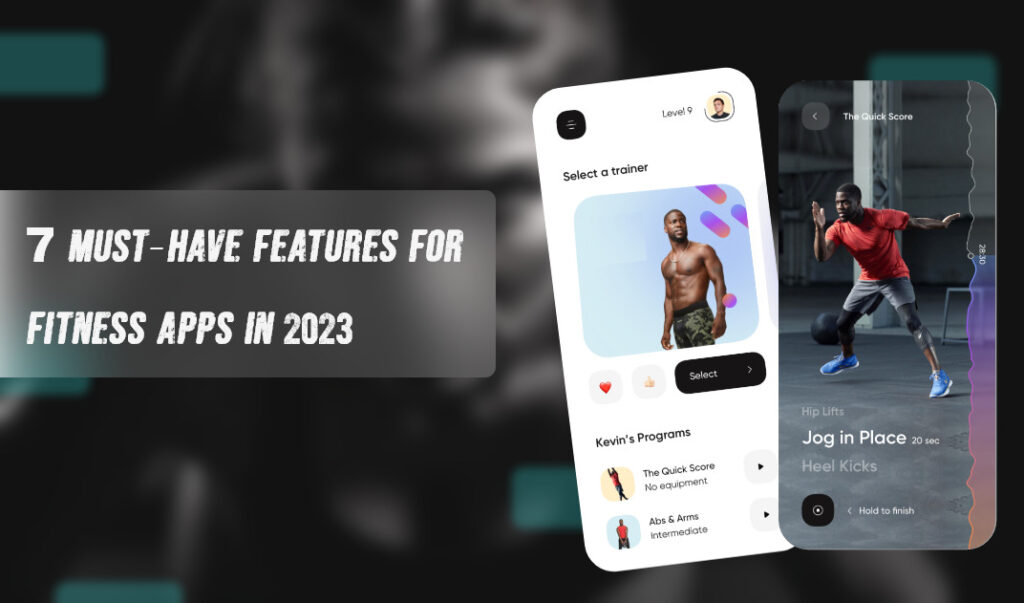
In this blog, we explore the 7 Must-Have Features of Fitness Applications in 2023 that can distinguish your fitness app from competitors in the crowded market. Let’s dive in!
Top 7 Must-Have Features for Fitness Apps in 2023
Here are the top 7 essential features for fitness applications in 2023:
1. Coach-on-Demand
This feature allows users to schedule both personal and group live-stream coaching sessions for an additional fee. Users can learn new exercises and modify their training plans alongside expert trainers in real time. Advanced scheduling options permit longer coaching sessions, enabling trainers to manage client relationships more effectively.
2. Video Tutorials
Fitness apps cater to diverse learning styles. Incorporating video tutorials benefits visual learners by demonstrating various workouts clearly. With continued fluctuations in gym availability globally, these virtual lessons offer indispensable guidance and motivation.
Integrating Artificial Intelligence enhancements can further optimize this feature. For example, AI-powered AI app development company in your fitness app can analyze users’ form and provide personalized feedback to prevent injuries and improve workout efficiency.
3. Nutrition Scanner
Nutrition is critical for a healthy lifestyle, yet many fitness enthusiasts struggle to maintain balanced diets. The Nutrition Scanner helps users monitor their food intake by scanning product labels to retrieve detailed nutritional information such as calories, cholesterol, fats, proteins, iron, and more.
Based on this data, the app can generate personalized diet plans aligned with users’ fitness objectives, fostering better diet adherence and results.
4. Geolocation Facility
For users who engage in walking, running, or cycling, tracking their real-time location and routes is indispensable. This feature utilizes GPS technology to map current positions and travel paths, enhancing safety and workout logging accuracy.
Implementing geolocation capabilities using popular platforms such as Apple Maps or Google Maps allows users to create personalized route maps, track their workouts, and share progress seamlessly. You can hire mobile app developer India to build an effective geolocation feature into your fitness app.
5. Wearable Device Integration
Integrating wearable devices with your fitness app enables users to sync data from popular trackers and smartwatches, offering a comprehensive overview of their fitness metrics over daily, weekly, or monthly intervals. This connectivity significantly enhances user engagement and helps maintain motivation.
Leverage platforms like Apple HealthKit, Google Fit, or APIs from specific wearable manufacturers to ensure seamless data synchronization. Examples of compatible wearables include:
- Activity Trackers: Devices that monitor activities such as walking, swimming, and cycling, displaying detailed workout breakdowns.
- Medical Monitoring Equipment: Tools that track sleep quality, heart rate, electrocardiograms, and other vital signs.
- Stress Monitors: Gadgets that measure stress levels and prompt users to rest when stress exceeds safe limits.
- Smartwatches: Widely used, multifunctional devices offering fitness tracking alongside other smart features.
6. Social Media Sharing
Sharing fitness milestones on social media boosts user motivation and app engagement. Integrating social sharing options allows users to celebrate and broadcast their achievements, encouraging community support and friendly competition.
According to the latest mobile app development company in India, enabling this feature facilitates organic marketing and broadens your app’s reach by leveraging users’ social networks for authentic promotion.
7. Gamification
Introducing gamification elements enhances user experience by making workouts entertaining and engaging. Rewarding users with points or badges for completing exercises motivates them to push harder and stay consistent. Competitive features such as leaderboards and social comparisons foster a sense of community and healthy rivalry.
Moreover, challenge-based penalties—like completing additional reps for missing goals—add a fun, dynamic twist to fitness routines, improving adherence.
Summing Up
The features outlined above represent the most critical functionalities for fitness apps in 2023. While there are many other promising features, focusing on these essentials will give your app a competitive edge. If you’re considering developing a fitness application, don’t hesitate to collaborate with a reputable fitness app development company to create a tailored solution.
Additionally, if you want to explore more about “exible and modern way to enjoy TV shows” please visit our “AI Tech” category for comprehensive insights.
In 2023, the fitness app industry continues to evolve rapidly, driven by technological advancements and changing user expectations. Integrating AI-driven personalization, real-time feedback, and seamless device compatibility pushes apps beyond mere trackers to become holistic wellness platforms. Developers must prioritize user engagement and data security while keeping interfaces intuitive. The growing demand for mental health features alongside physical fitness underscores the need for a balanced approach to health. Staying updated with trends and user feedback is key to ensuring your fitness app remains relevant and valuable in this competitive ecosystem.